The Other Moon Race: Jupiter vs. Saturn

Hello, friends!

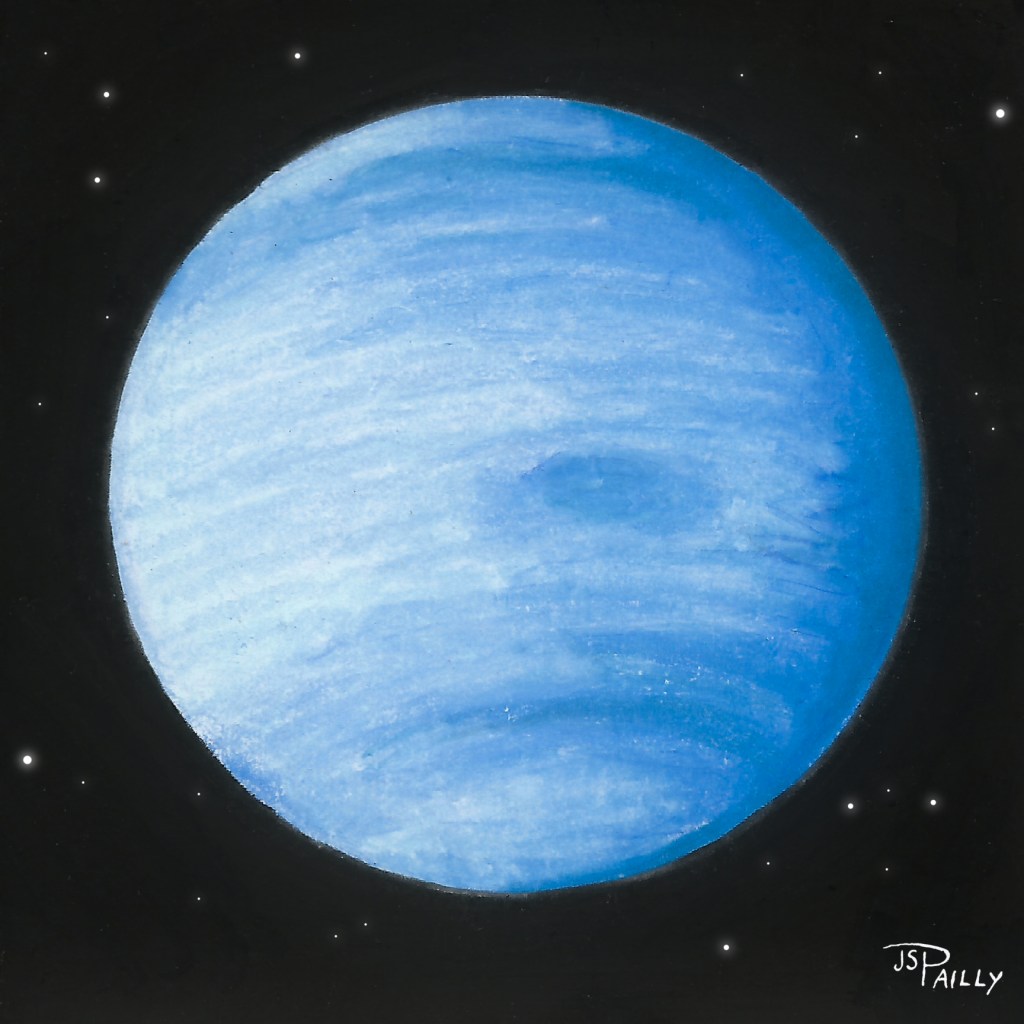
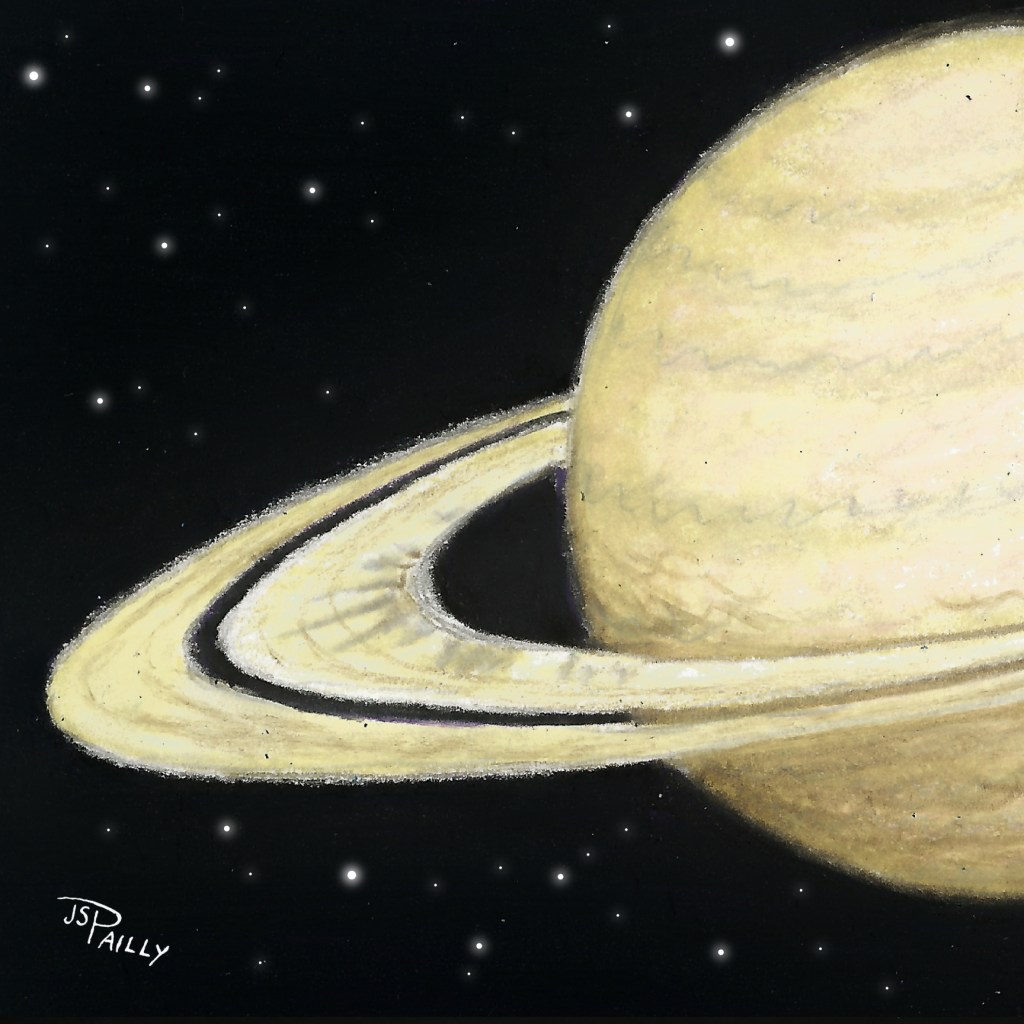
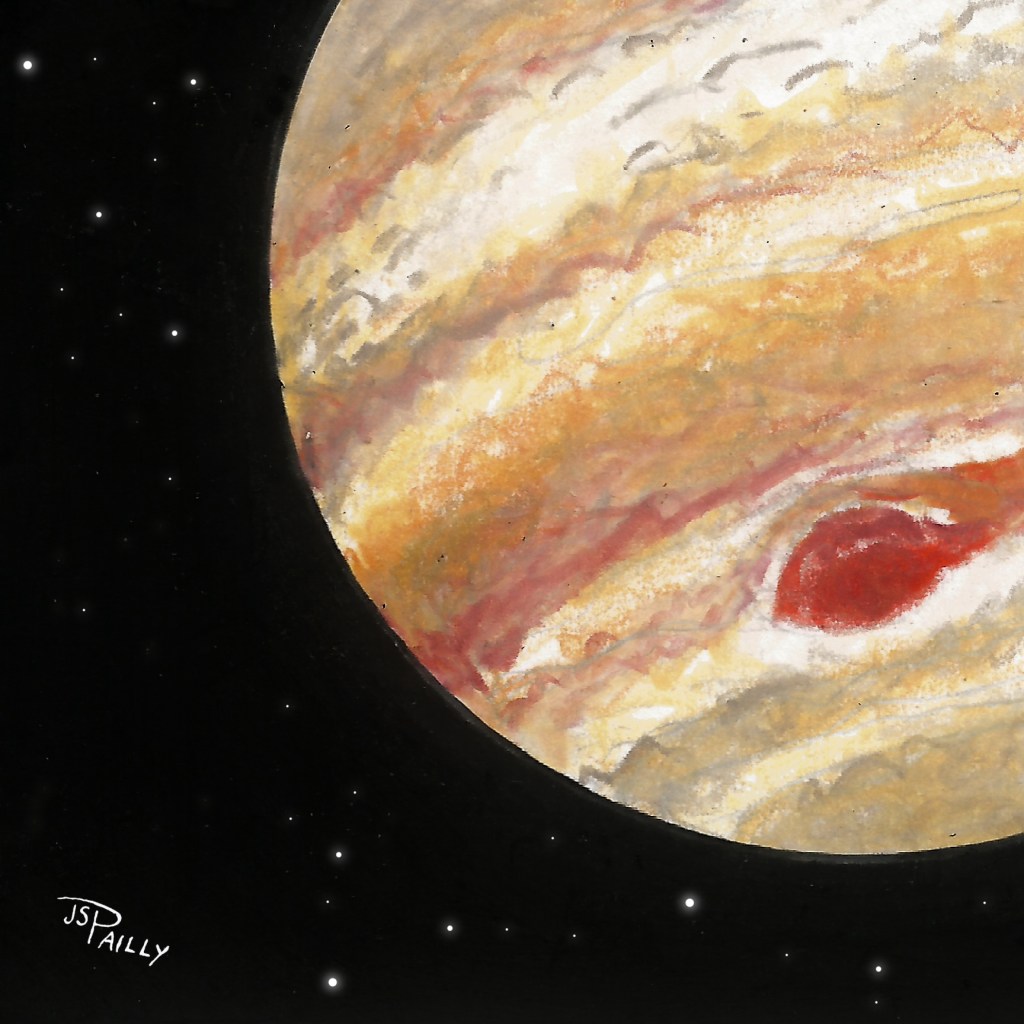
As you know, there’s a new moon race going on, a new race to return humans to the Moon!  But that’s not the moon race we’re talking about today.  No, today we’re talking about the race between Jupiter and Saturn to be the planet with the most moons in the Solar System.

You might expect Jupiter to win this easily.  Jupiter’s the biggest planet, and Jupiter has the most gravity.  Shouldn’t Jupiter end up with the most moons?  Well, Saturn has one not-so-obvious advantage over Jupiter: Saturn is farther away from the Sun.  That means a moon orbiting Saturn is less likely to be yanked away by the Sun’s gravity than a moon orbiting Jupiter.

This has to do with a concept in astrophysics called the Hill sphere, named after American astronomer/mathematician George William Hill.  This can get a bit technical, so if you want to learn more please check out the “What to Learn More?” section below.  This gist is this: a Hill sphere is the area around a planet where the planet’s gravity is more important than the gravity of the Sun.  The size of a Hill sphere is determined by two factors: how massive is the planet, and how far away is the Sun?

Saturn may be smaller than Jupiter, and she may have less gravity than Jupiter, but she’s so much farther away from the Sun that she ends up having the larger Hill sphere.  So which planet has the most moons?  Well, over the past few decades, as astronomers have discovered more and more moons orbiting each planet, it’s been a bit of a horserace.  Sometimes Saturn’s ahead by a couple moons, then Jupiter will catch up and take the lead, then Saturn will take the lead again for a while, and so on.

But in the last year or so, that’s changed.  Saturn has surged way ahead in the “moon race.”  At the time of this writing, Jupiter is known to have 115 moons.  Saturn, meanwhile, has 292.  We can safely assume that more moons will be discovered orbiting both planets, so the race isn’t over; however, I’m going to make a prediction now.  I don’t think Jupiter’s going to win this.

I don’t think Saturn will win, either.  There are (at least) two more planets farther away from the Sun than Saturn.  If having the biggest Hill sphere is the key to winning this moon race, Neptune’s Hill sphere is larger than Jupiter and Saturn’s Hill spheres combined (and if the Planet Nine hypothesis turns out to be correct, God only knows how large Planet Nine’s Hill sphere must be).

At the moment, Neptune is only known to have 16 moons.  I’m predicting today that as our telescopes continue to advance and as our observing techniques continue to improve, Neptune’s moon count will go up.  By a lot.  Ultimately, I’m predicting that Neptune’s total moon count will exceed Jupiter’s and Saturn’s by far.

WANT TO LEARN MORE?

Here’s an article from CosmoBC on Hill spheres, including a chart listing the radius of the Hill spheres of each planet of the Solar System (plus a few of the dwarf planets).

Here’s an article by Phil Plait on how the Moon stays in orbit by staying inside Earth’s Hill sphere.  It’s an older article, but it’s still very much worth a read if you want to understand how Hill spheres work.

Here’s an article from Earth Sky on the current totals for Jupiter’s  and Saturn’s moons.

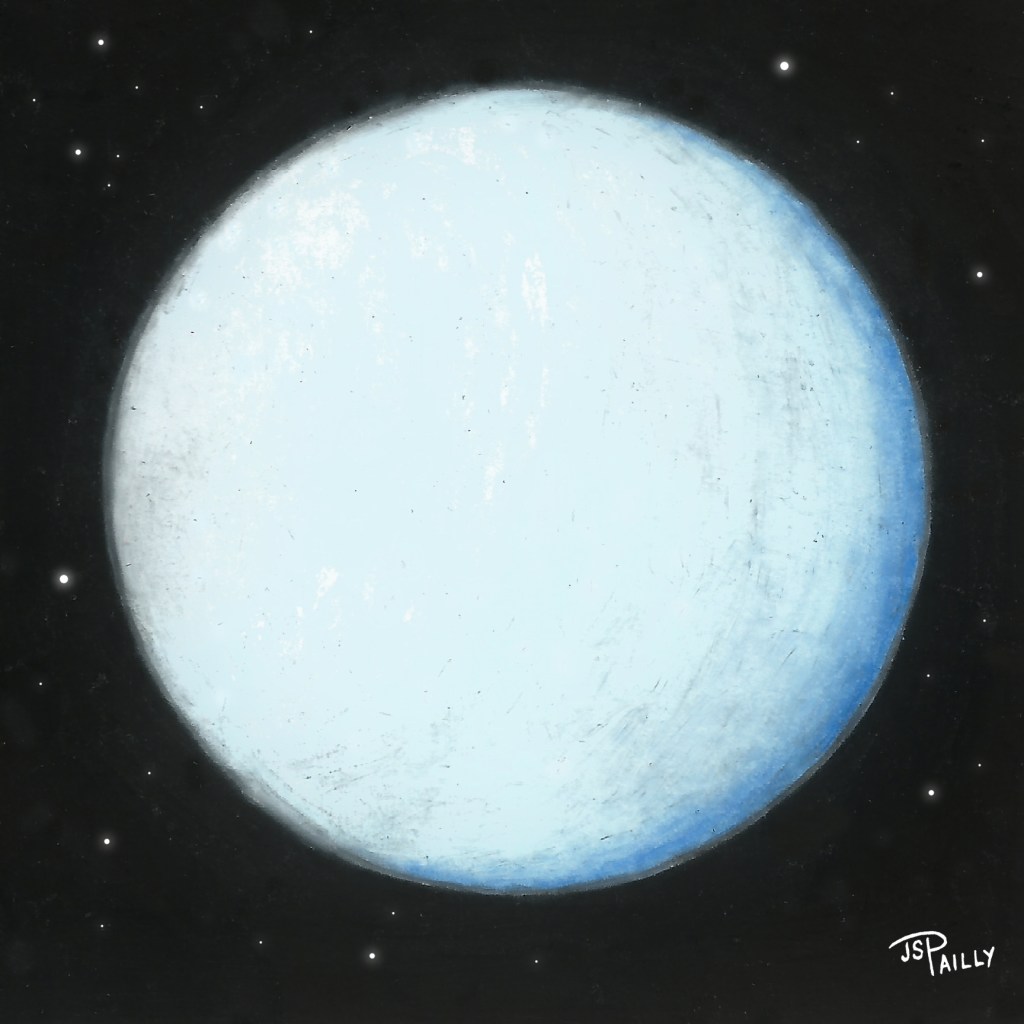
And here’s another article from Earth Sky on the total number of moons for Uranus and Neptune, with a little information about why discovering moons orbiting Uranus and Neptune is still so difficult for us.

Lastly, I mentioned the Planet Nine hypothesis.  If you don’t know what that is, click here.

The art in today’s post is my own original work.  I don’t use A.I. for anything, ever.  If you like my art, please consider visiting the I-Love-Space store on RedBubble.  Even if you don’t buy anything, just visiting my store and clicking the like button on a few things helps me a lot.  Thank you, friends!

Betelgeuse and Siwarha

Hello, friends!

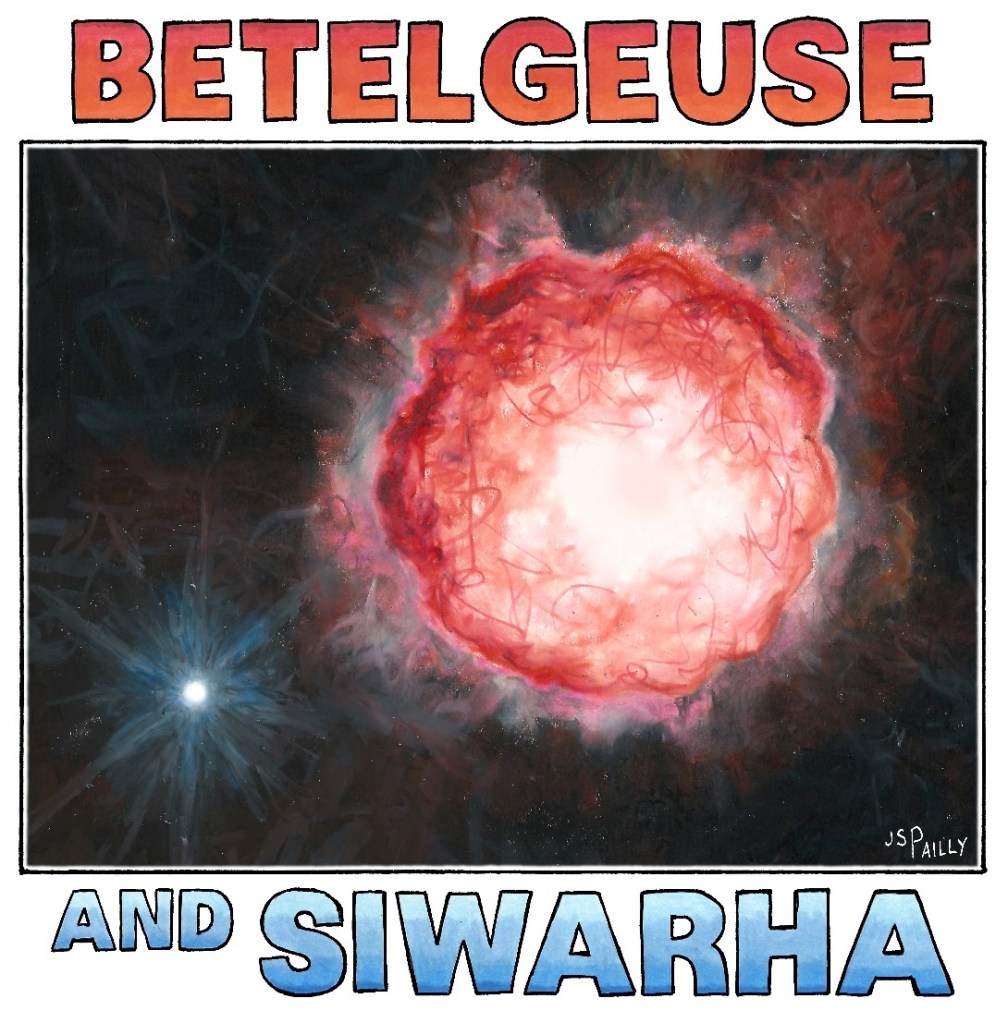
I love space, but I also love language and words and names, and I especially love it when people put thought and care into the naming of things.  Betelgeuse is a super famous supergiant star in the constellation Orion.  For as long as I can remember, it was generally assumed that Betelgeuse was a loner.  A single star, all by herself, with no binary companion.  But now it seems that Betelgeuse does have a very small, very faint companion star, which astronomers have (very aptly) named Siwarha.

Back in 2019/2020, astronomers noticed Betelgeuse start to flicker and dim.  There was a rapid 30% decrease in Betelgeuse’s brightness, leading to rampant speculation that Betelgeuse was about to go up in a supernova explosion.  That would have been an amazing sight for all of us here on Earth!  But then, nothing happened, and Betelgeuse’s brightness eventually went back to normal.

The Great Dimming of Betelgeuse, as this event is now called, was caused by something less spectacular than a supernova (less spectacular, but still interesting—check out the “want to learn more?” section below if you want to learn more).  Still, during the Great Dimming, Betelgeuse got a lot more attention from astronomers than usual, and astronomers started noticing patterns in her behavior—including a pattern that (based on reexamining historical records) seemed to repeat every 2100 days.

One possible explanation: maybe Betelgeuse has a companion star with an orbital period of 2100 days.  This hypothetical companion star was initially nicknamed “Betelbuddy.”  But then, in December of 2024, astronomers at the Gemini North Observatory in Hawaii were able to directly image “Betelbuddy” in mid-orbit.  At that point, Betelgeuse’s companion stopped being hypothetical, and somebody needed to give it a more official-sounding name.

Betelgeuse is an Arabic name (as most traditional star names are), and it means something like “the hand of the giant.”  The giant in question is, of course, Orion; however, the Arabic name for Orion is al Jawza, which is a female name from Arabian legend.  Therefore, since this newly discovered star circles round and round the hand of a lady giant, the Gemini North team proposed naming it “Siwarha,” meaning “her bracelet.”

How perfect is that?

Siwarha would have been hidden behind Betelguese during the Great Dimming, so it was not visible to Earth-based astronomers at that time, no matter how hard they looked for it.  Even after Siwarha emerged from behind Betelgeuse, spotting it stretched the limits of one of the very best telescopes in the world.  After crossing in front of Betelgeuse, Siwarha should appear again (on the opposite side of Betelgeuse) in late 2027, at which point astronomers should be able to learn much, much more about it.

WANT TO LEARN MORE?

Here’s a brief article published by NASA announcing the discovery of Siwarha.

And here’s a link to the actual research paper explaining how the Gemini North team detected Betelgeuse’s companion star.  The proposal to name it “Siwarha” is near the end of the paper.

As for the Great Dimming of Betelgeuse, it was caused by Betelgeuse burping a big, giant cloud of dust up into space, which partially obscured our view.  Click here to learn more about that.

P.S.: The art in today’s post is my own original work.  If you like my art, please consider visiting the I-Love-Space store on RedBubble.  Even if you don’t buy anything, just visiting and clicking the “like” button on some of my work helps me a lot (and if you do decide to buy something, that obviously helps me even more!).  Thank you!