Artemis II: She’s Not Like Other Missions

Hello, friends!

It’s been a couple weeks since Artemis II went to space, looped around the Moon, and returned safely to Earth.  One thing really surprised me during this mission: I didn’t hear many people whining about the cost.  Whenever important NASA stuff is in the news, I always hear a ton of people whining about the cost.  But this time, not so much!  Which leaves me wondering: why was Artemis II different?

The most obvious explanation is that while Artemis II was up in space, there was this other major news story happening down here on the ground.  Now this is not a political blog, and I don’t want to dwell on politics too long, but we can’t ignore the elephant in the room: the war.  Just before Artemis II launched, the U.S. started a war with Iran.  That war is wildly unpopular and also extravagantly expensive.  When we keep hearing about the government spending one or two billion dollars per day on the war, NASA’s budget of $24 billion per year doesn’t sound so bad.

But I don’t think that’s the only reason.  Space launches used to be rare and extraordinary events, but in the last few years, they’ve been normalized.  With private companies like SpaceX and Blue Origin in the game, launches happen all the time now.  There were something like 300 launches worldwide last year!  Artemis II was still something new and different and very, very special; at the same time, though, it was just another rocket launch.  If we’re going to have 300 launches per year, it doesn’t seem outlandish for one of them to be a Moon mission.

Do you think I’m right about this?  Was your experience similar to mine, or did you hear more grumbling and griping about Artemis II’s price tag than I did?  Let me know in the comments below.

I will acknowledge that I did hear one complaint.  It was some political pundit who said something like: “NASA just sent billions of taxpayer dollars to the Moon!”  There’s plenty I could say in response to that, but that statement conjured such an amusing mental image in my head.  So I’m just going to leave you with this:

WANT TO LEARN MORE?

It wasn’t just me who felt like Artemis II was different.  According to this article from Forbes, the vast majority of Americans support the Artemis program and followed the Artemis II mission closely.

If you want to know more about NASA’s budget, check out this article from the Planetary Society.  It’s a great resource, not only for understanding NASA’s budget in particular, but for understanding the U.S. federal budgeting process as a whole.

And if you’re up for some more academic literature, here’s a research paper from the journal Space Policy examining how the federal government sometimes does (and sometimes does not) listen to public opinion regarding space exploration.

Betelgeuse and Siwarha

Hello, friends!

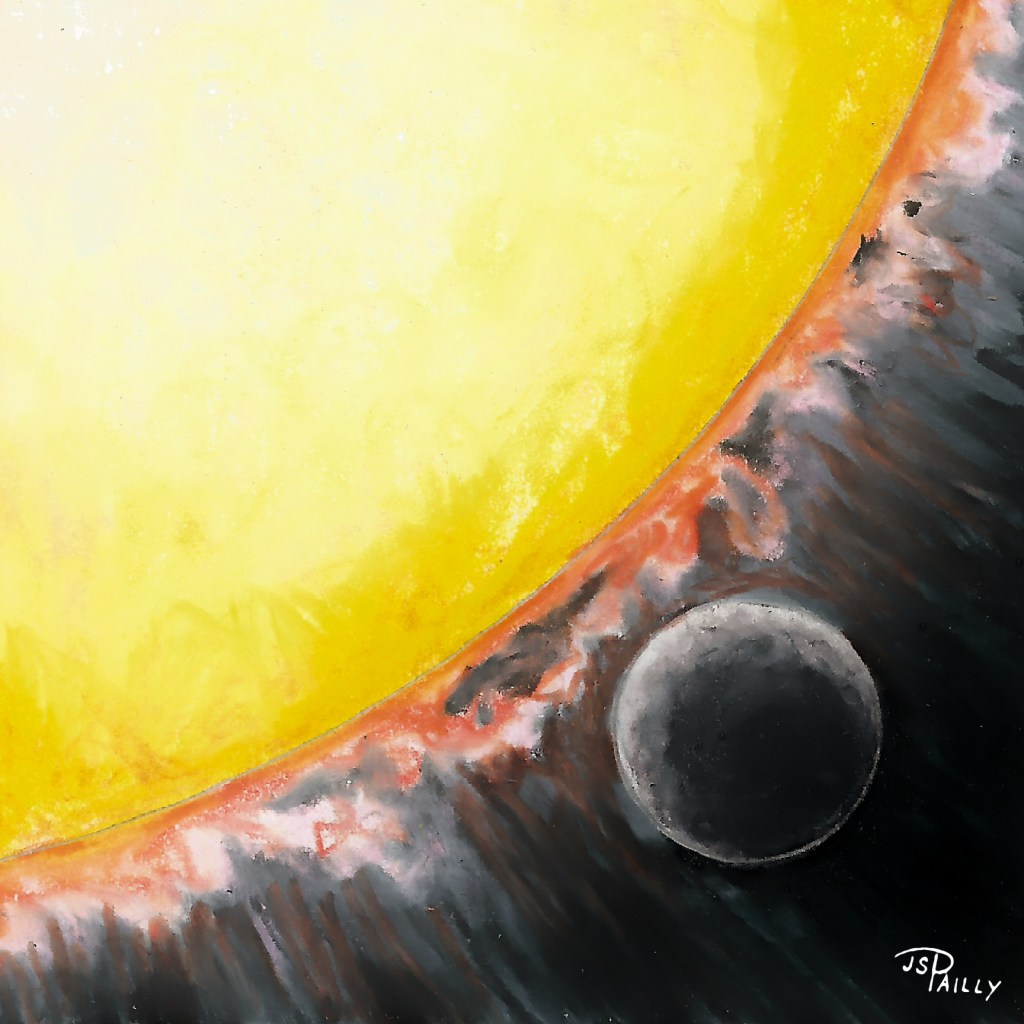
I love space, but I also love language and words and names, and I especially love it when people put thought and care into the naming of things.  Betelgeuse is a super famous supergiant star in the constellation Orion.  For as long as I can remember, it was generally assumed that Betelgeuse was a loner.  A single star, all by herself, with no binary companion.  But now it seems that Betelgeuse does have a very small, very faint companion star, which astronomers have (very aptly) named Siwarha.

Back in 2019/2020, astronomers noticed Betelgeuse start to flicker and dim.  There was a rapid 30% decrease in Betelgeuse’s brightness, leading to rampant speculation that Betelgeuse was about to go up in a supernova explosion.  That would have been an amazing sight for all of us here on Earth!  But then, nothing happened, and Betelgeuse’s brightness eventually went back to normal.

The Great Dimming of Betelgeuse, as this event is now called, was caused by something less spectacular than a supernova (less spectacular, but still interesting—check out the “want to learn more?” section below if you want to learn more).  Still, during the Great Dimming, Betelgeuse got a lot more attention from astronomers than usual, and astronomers started noticing patterns in her behavior—including a pattern that (based on reexamining historical records) seemed to repeat every 2100 days.

One possible explanation: maybe Betelgeuse has a companion star with an orbital period of 2100 days.  This hypothetical companion star was initially nicknamed “Betelbuddy.”  But then, in December of 2024, astronomers at the Gemini North Observatory in Hawaii were able to directly image “Betelbuddy” in mid-orbit.  At that point, Betelgeuse’s companion stopped being hypothetical, and somebody needed to give it a more official-sounding name.

Betelgeuse is an Arabic name (as most traditional star names are), and it means something like “the hand of the giant.”  The giant in question is, of course, Orion; however, the Arabic name for Orion is al Jawza, which is a female name from Arabian legend.  Therefore, since this newly discovered star circles round and round the hand of a lady giant, the Gemini North team proposed naming it “Siwarha,” meaning “her bracelet.”

How perfect is that?

Siwarha would have been hidden behind Betelguese during the Great Dimming, so it was not visible to Earth-based astronomers at that time, no matter how hard they looked for it.  Even after Siwarha emerged from behind Betelgeuse, spotting it stretched the limits of one of the very best telescopes in the world.  After crossing in front of Betelgeuse, Siwarha should appear again (on the opposite side of Betelgeuse) in late 2027, at which point astronomers should be able to learn much, much more about it.

WANT TO LEARN MORE?

Here’s a brief article published by NASA announcing the discovery of Siwarha.

And here’s a link to the actual research paper explaining how the Gemini North team detected Betelgeuse’s companion star.  The proposal to name it “Siwarha” is near the end of the paper.

As for the Great Dimming of Betelgeuse, it was caused by Betelgeuse burping a big, giant cloud of dust up into space, which partially obscured our view.  Click here to learn more about that.

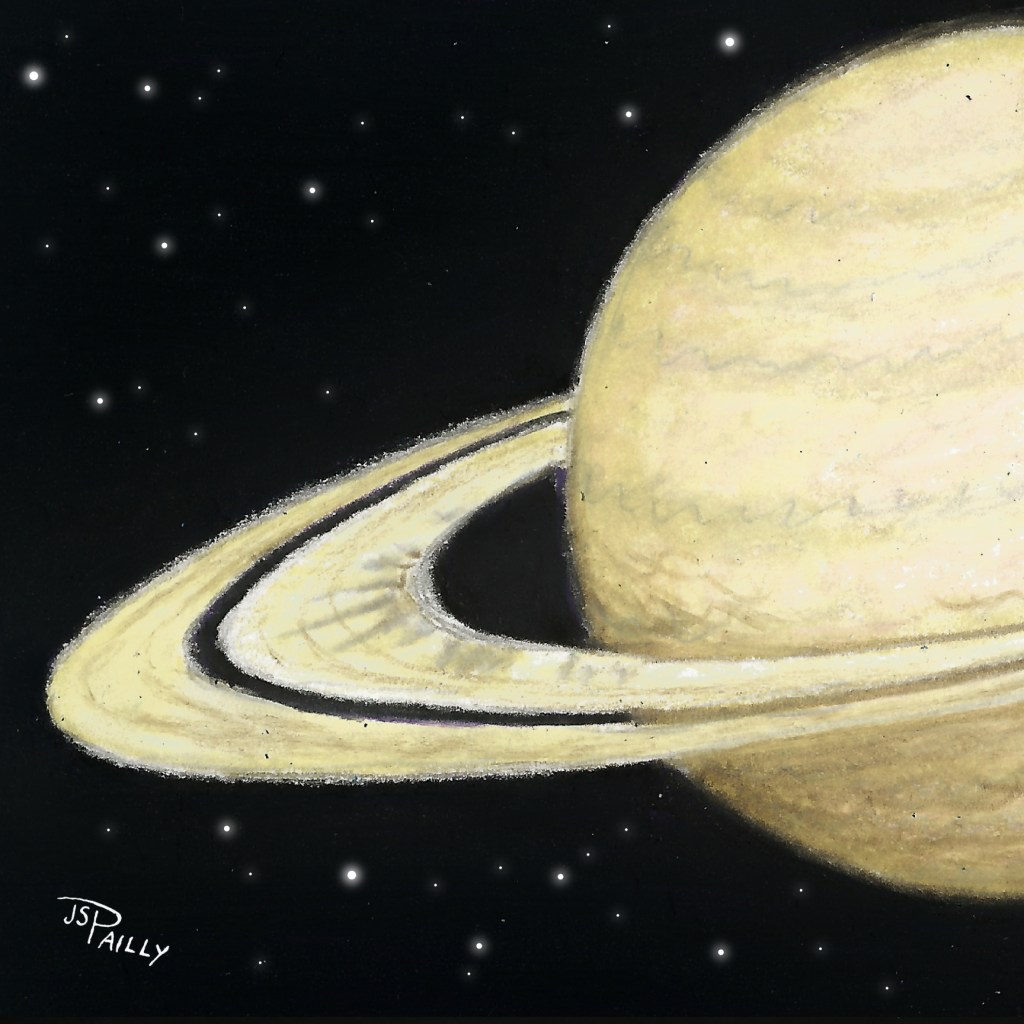
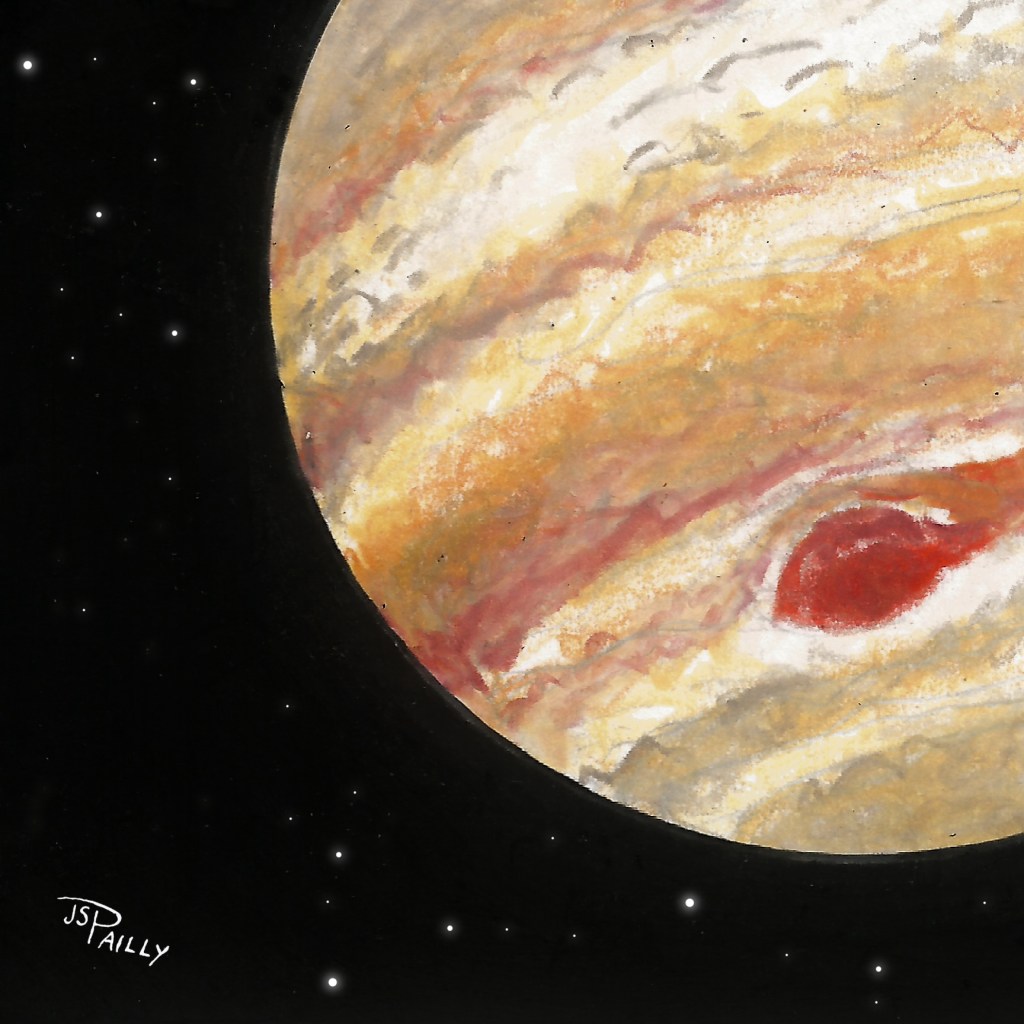
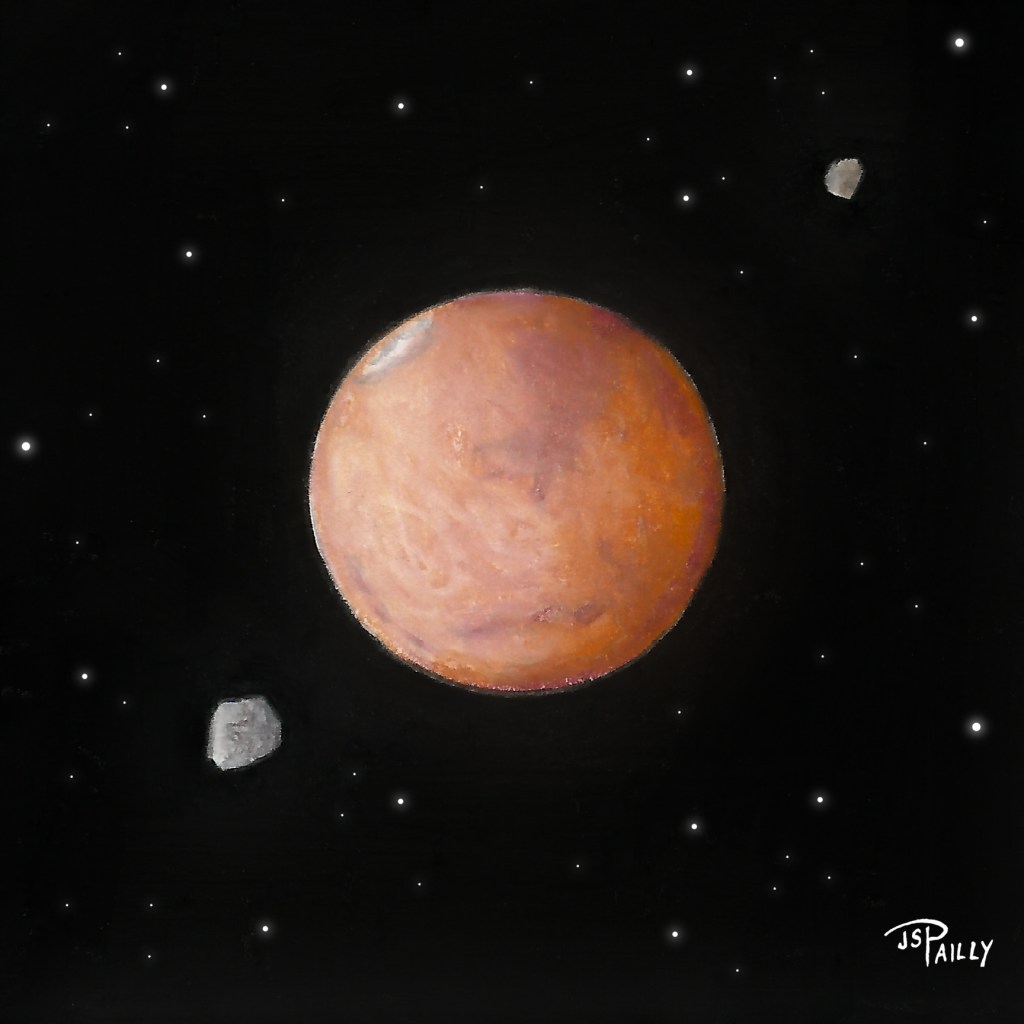
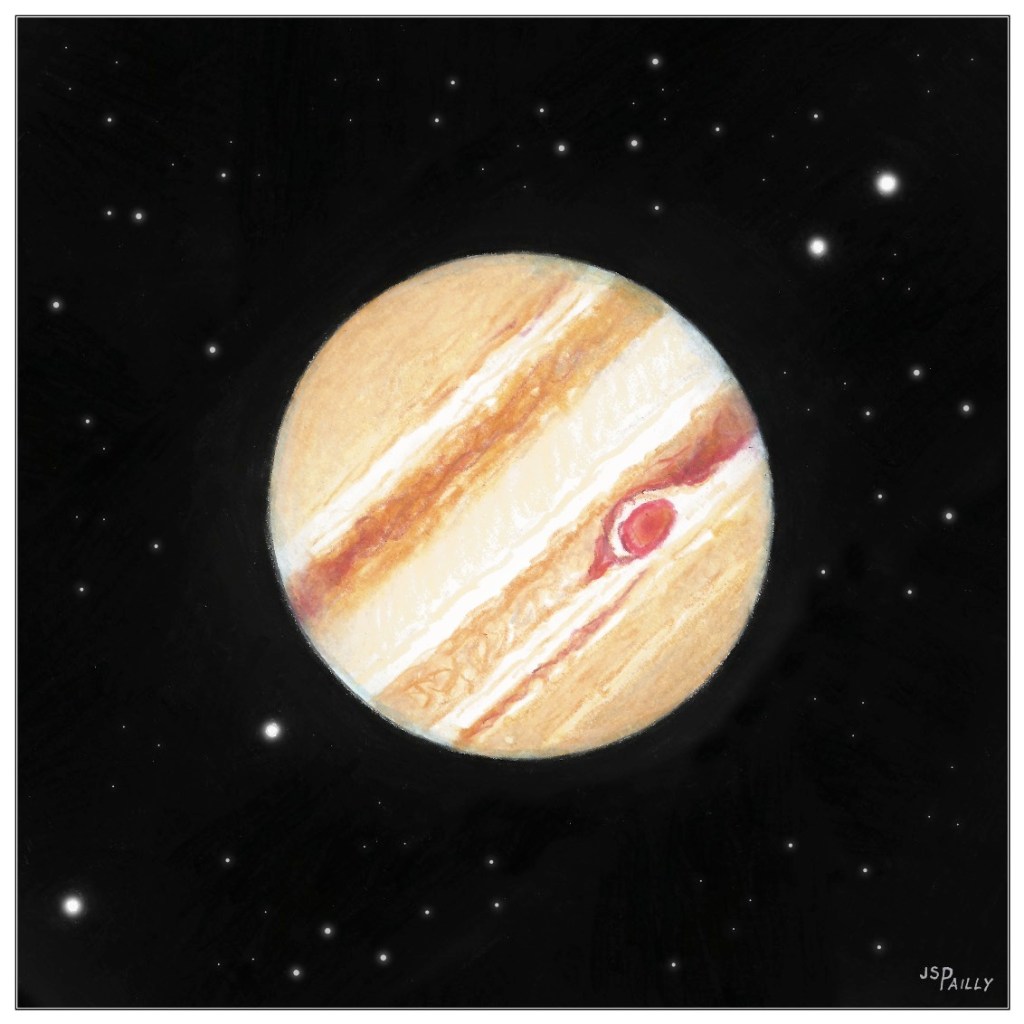
P.S.: The art in today’s post is my own original work.  If you like my art, please consider visiting the I-Love-Space store on RedBubble.  Even if you don’t buy anything, just visiting and clicking the “like” button on some of my work helps me a lot (and if you do decide to buy something, that obviously helps me even more!).  Thank you!